
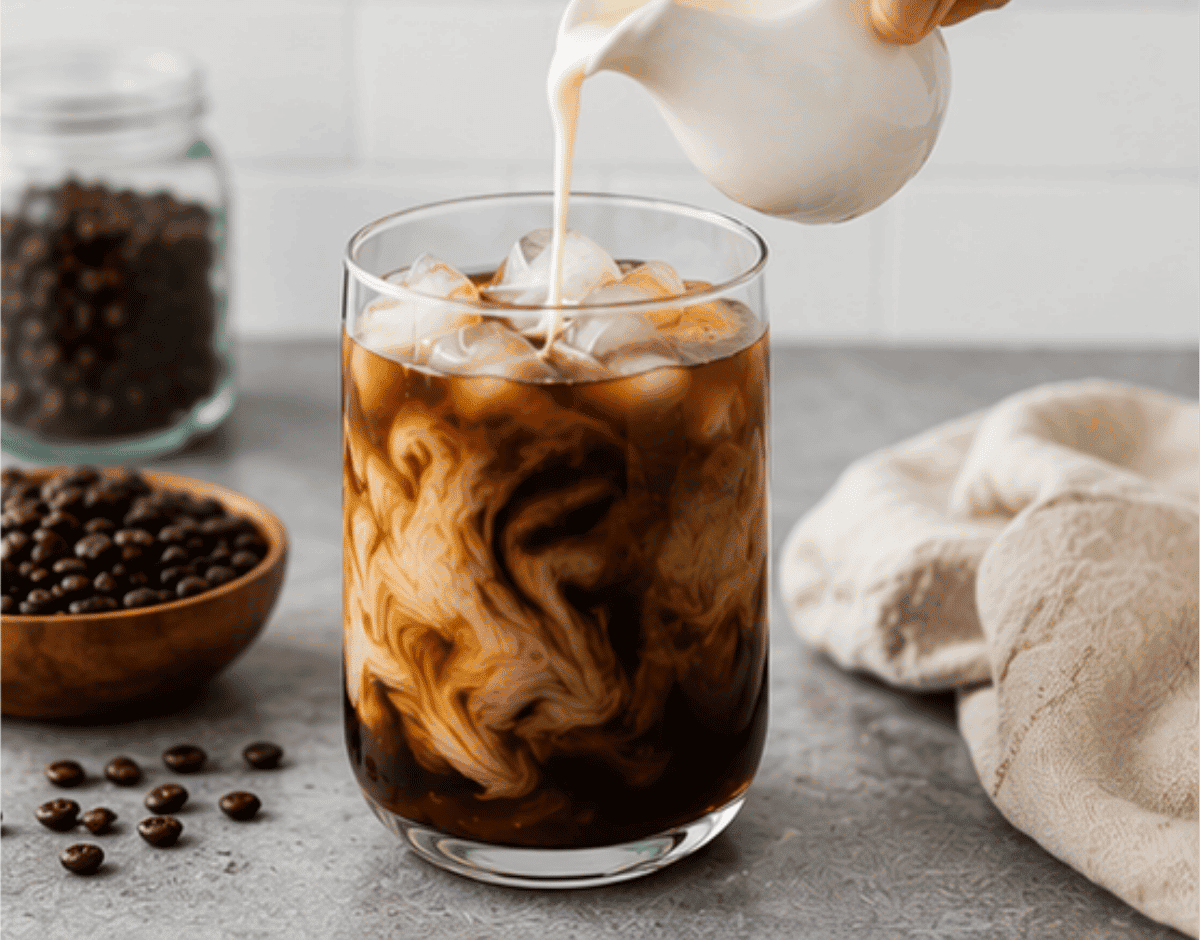
I learned to make cold brew french press coffee because I got tired of spending too much money on café cold brew that tasted watered down by the time I got home. What surprised me most was how simple it really is. No fancy machine. No paper filters. Just coarse coffee, cold water, and patience.
Your standard French press is actually the ultimate tool for making rich cold brew concentrate at home. Because a French press uses a total immersion brewing method, it allows the coffee grounds to steep evenly in quiet, cold water over several hours. This slow process coaxes out the sweet, chocolatey, and nutty notes of the bean while leaving behind the bitter compounds that hot water typically extracts.
If you’ve French press sitting in your kitchen, you’re halfway there. After testing dozens of coffee-to-water ratios over the years, this is the method I come back to most because it’s simple, consistent, and easy to adjust. You don’t need to buy any extra single-use kitchen gadgets to enjoy a refreshing, professional-grade morning cup.
Why Your Cold Brew French Press Turns Out Bitter or Muddy
The biggest complaint people have when making cold brew in a French press is that the final cup tastes chalky, muddy, or intensely bitter. This isn’t a problem with the French press itself; it’s a direct result of improper grind size and over-extraction.
When you brew hot coffee, water passes through the grounds quickly. In contrast, cold brew relies on time instead of heat to pull flavors out of the coffee bean. If your coffee grounds are too fine, the water extracts the bitter flavors too quickly. Furthermore, small particles will slip right through the wire mesh screen of your French press plunger, leaving a thick layer of sludge at the bottom of your glass.
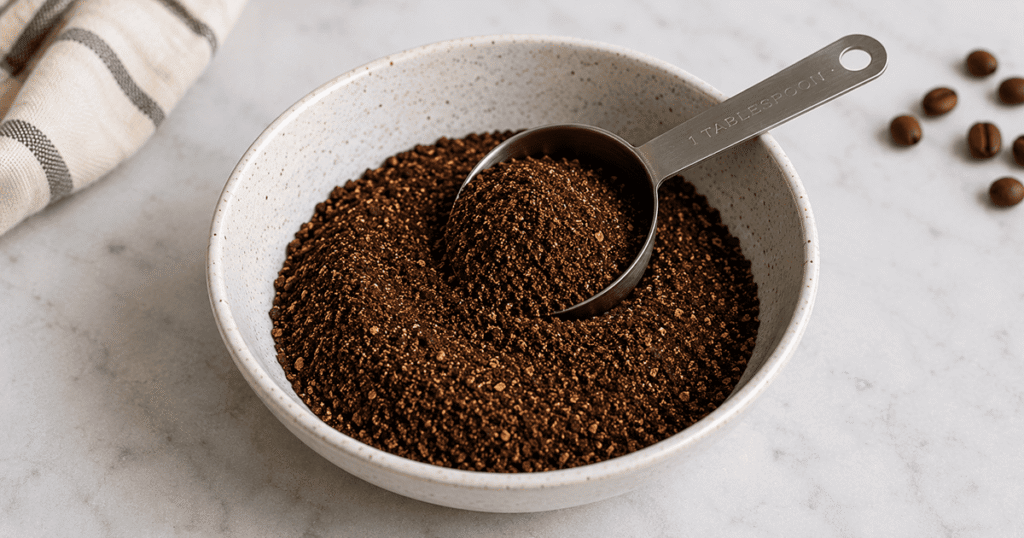
To avoid this, your coffee grounds must be extra coarse, looking similar to sea salt or raw sugar crystals. Consistent particle size matters because tiny dust-like particles (called “fines”) will over-extract and create bitterness, while huge chunks will under-extract. Using a burr grinder instead of a blade grinder gives you the uniform size needed to keep your brew clean, sweet, and completely free of sediment.
The Science of the Perfect Coffee-to-Water Ratio
Achieving the right balance in your cold brew French press requires a bit of basic kitchen math. For a French press, I highly recommend brewing a concentrated coffee liquid rather than a ready-to-drink beverage. A concentrated batch takes up less space in your refrigerator and lasts significantly longer without going stale.
The ideal ratio for a robust cold brew concentrate is 1:4 by weight—that means one part coffee to four parts water. If you don’t have a digital kitchen scale, this translates easily to 1 cup of whole coffee beans (ground coarsely) to 4 cups of cold water.
| Coffee Weight | Water Volume | Final Yield |
|---|---|---|
| 1 Cup (85g) | 4 Cups (32 oz) | ~3 Cups Concentrate| |
| 1.5 Cups (128g) | 6 Cups (48 oz) | ~4.5 Cups Conc. |
This 1:4 ratio creates a sturdy, versatile concentrate. When you’re ready to serve, you’ll dilute it with equal parts water, milk, or ice. If you prefer a lighter, ready-to-drink coffee straight out of the press without adding water later, you can use a 1:8 or 1:10 ratio, but a concentrate gives you much more control over the final strength of your drink.
Water Temperature and Steeping Environments
- A perfect cup of Cold brew French press is mostly about time.
- At 8 hours, you’ll get a lighter, brighter brew. Good, but less rich.
- At 12 hours, the body gets fuller and sweeter.
- At 16 to 18 hours, that’s usually where the deeper chocolate notes come in.
I rarely push past 20 hours because the bitterness starts creeping in, even without heat.
If your kitchen is warm, steep in the fridge. If it’s cool, room temperature works fine. Just remember the food safety rule: never leave perishable add-ins like milk or cream in the brew, and discard dairy left out over 2 hours.
Cold Brew French Press Coffee Ingredients Breakdown
Coarse Coffee Beans (1 cup / 85 grams): You need fresh whole beans ground to a coarse consistency. Medium or dark roasts work best here because the cold process highlights their natural caramel, cacao, and nutty tones without pulling out harsh ash qualities.
Filtered Water (4 cups / 32 fluid ounces): Cold filtered water acts as the clean canvas for your coffee. It ensures that no mineral oddities interfere with the clean, bright flavors of your coffee beans.
Ice Cubes (As needed for serving): Solid, large ice cubes keep your drink chilled without melting instantly and watering down your carefully balanced beverage.
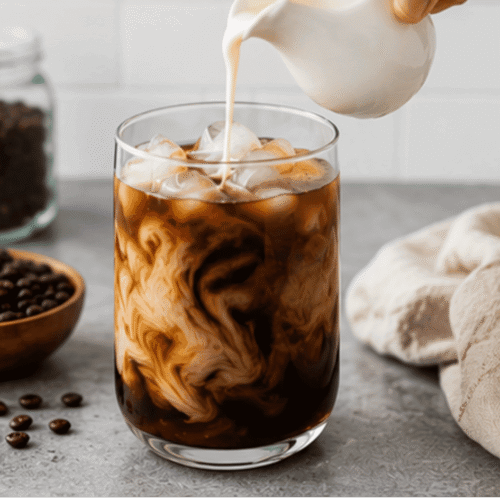
Filtered Water or Milk (For dilution): Used to cut the concentrate before drinking. Cold water keeps it black and crisp, while whole milk, oat milk, or almond milk adds a rich, creamy texture.
Step-by-Step Instructions
Step 1: Grind the Coffee
Grind your beans coarse, like breadcrumbs or sea salt. If you rub the grounds between your fingers, they should feel gritty, not dusty. This texture keeps the brew clean and smooth.
Step 2: Add Coffee to the French Press
Pour the coffee grounds into your French press. Give the carafe a little shake so the bed sits flat. This helps the water soak everything evenly.
Step 3: Pour in the Water
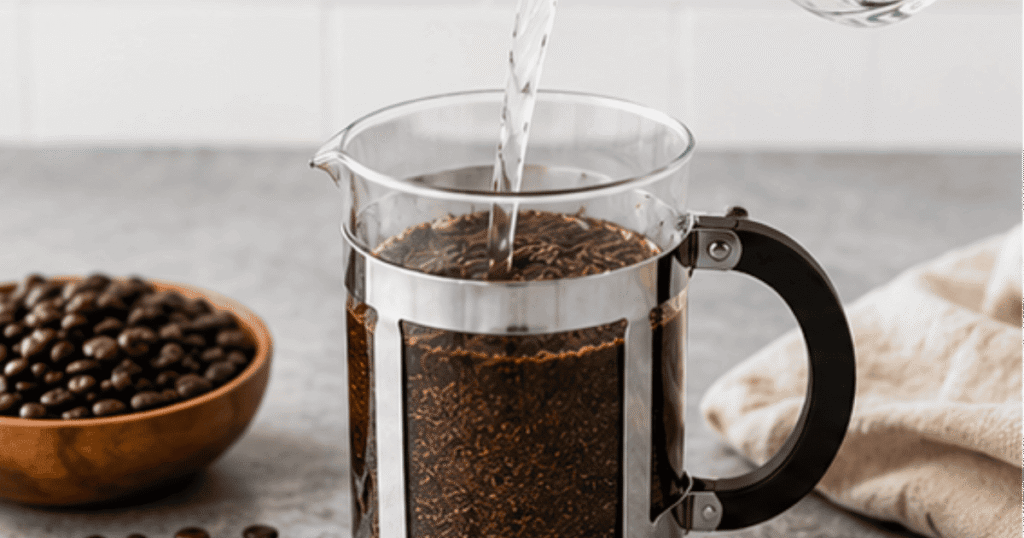
Slowly add the cold water over the grounds. Stir gently with a spoon until all the grounds are wet. You’ll notice a rich coffee smell almost immediately.
Step 4: Steep Slowly
Place the plunger on top without pressing it down. Let it sit for 12–18 hours. In the fridge, the flavors stay cleaner. At room temperature, the coffee often extracts slightly faster.
After several hours, the liquid should look deep brown and opaque.
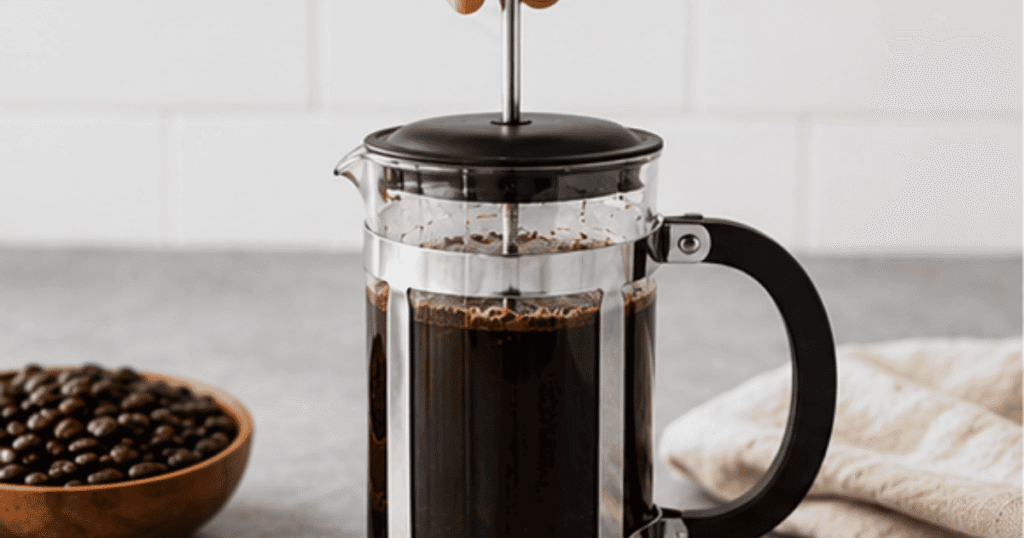
Step 5: Press and Strain
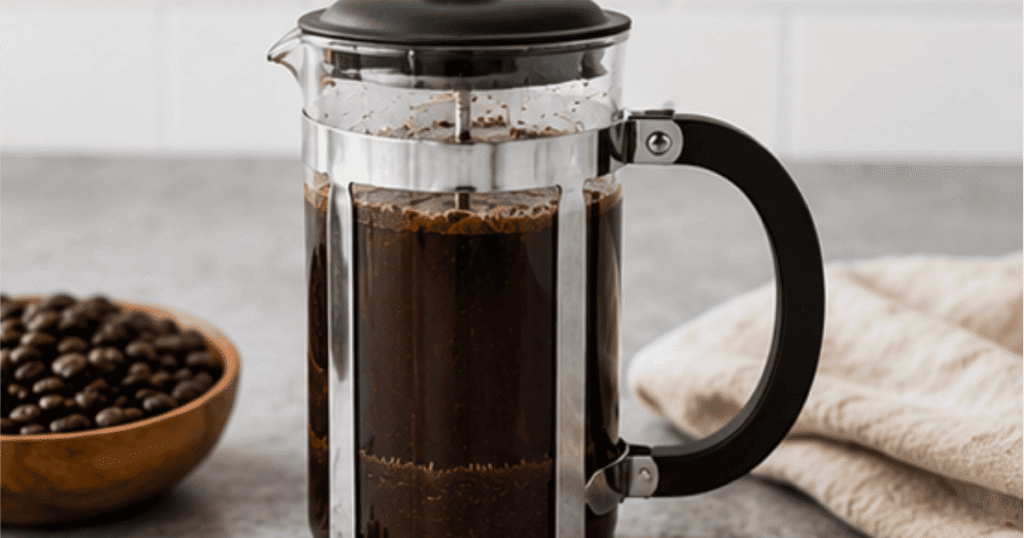
Push the plunger down slowly. Don’t force it. If there’s resistance, pause and continue gently.
The finished brew should look dark, glossy, and smell sweet like cocoa.
Step 6: Serve or Store
Pour your concentrate into a jar or glass bottle. For drinking, mix equal parts concentrate and water, or pour directly over ice for a stronger cup.
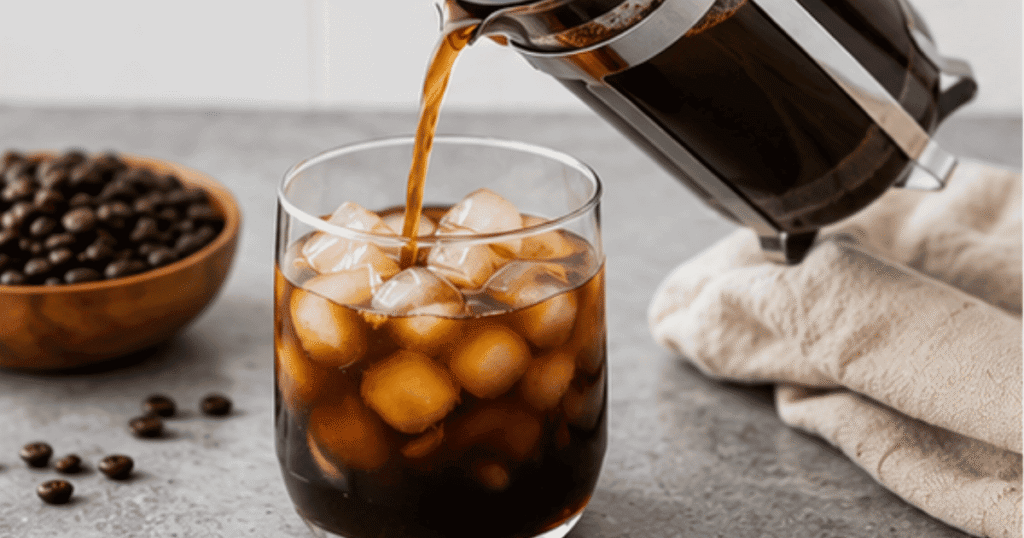
Taste first before adding milk or sweetener so you know what the coffee naturally offers.
Cold Brew French Press Concentrate

Equipment
- 34-ounce (1 Liter) French Press
- Burr Coffee Grinder
- Wooden Spoon or Plastic Stir Stirrer
- Glass Storage Jar
Ingredients
- 1 cup 85g whole coffee beans (coarsely ground)
- 4 cups 32 oz cold filtered water
- Ice water, or milk for serving
Instructions
- Grind the whole coffee beans on the coarsest setting of your burr grinder until they look like coarse sea salt.
- Add the grounds to the bottom of the French press, then pour the cold filtered water over them in a slow circle.
- Stir gently for 10 seconds with a wooden spoon to ensure all grounds are fully wet, then place the lid on with the plunger completely up.
- Steep on the counter at room temperature for 12 to 14 hours (or in the refrigerator for 20 to 24 hours).
- Press the plunger down slowly with steady, even pressure until it reaches the bottom.
- Pour the cold brew concentrate immediately out of the French press into a clean glass jar for storage, leaving the spent grounds behind.
- To serve, dilute 1/2 cup of concentrate with 1/2 cup of water or milk over ice.
Smart Substitutions
Medium-Coarse Pre-Ground Coffee: If you don’t own a grinder and can only find standard pre-ground coffee, drop your steeping time by 2 hours to avoid over-extraction from the smaller particle sizes.
Bottled Spring Water: If you don’t have a water filtration pitcher, substitute your tap water with bottled spring water. Avoid distilled water, as it lacks the natural minerals needed to pull the flavor out of the coffee grounds.
Light Roast Coffee Beans: While dark roasts are standard, you can substitute a high-quality light roast bean. This yields a tea-like, fruit-forward cold brew with high acidity and distinct floral notes.
Decaffeinated Whole Beans: If you want a late-night iced drink, substitute regular beans with 100% Swiss Water Process decaf coffee beans. Keep the 1:4 ratio completely identical.
Cold Brew French Press Coffee Storage and Reheating Guidelines
Food Safety Note:
Freshly brewed cold brew coffee is a perishable item. Never leave your finished, decanted coffee concentrate at room temperature for more than 2 hours. Bacteria and mold can develop quickly in low-acid environments, so keep your coffee chilled.
Store your decanted concentrate in a sealed glass mason jar or airtight carafe in the refrigerator. It will stay crisp and delicious for up to 10 days. After 10 days, the flavor will begin to oxidize, tasting flat or slightly stale, though it remains safe to consume for a bit longer.
If you want a comforting, low-acid hot cup of coffee in the winter, you can easily reheat your cold brew concentrate. Mix equal parts concentrate and water in a small saucepan, then heat it over low heat until it reaches 150°F to 160°F. Avoid boiling the mixture, as overheating will scorch the natural oils and introduce the exact bitterness you worked so hard to avoid.
FAQs
Can I use regular pre-ground coffee to make cold brew?
Yes, you can use regular pre-ground coffee, but it isn’t ideal for a French press. Standard store-bought coffee is ground fine for drip machines, which means a lot of sediment will slip through the French press mesh filter, making your drink cloudy and muddy. If you must use it, strain the finished coffee through a paper coffee filter or a fine cheesecloth after plunging.
Why does my cold brew taste bitter?
Bitterness happens when the coffee is over-extracted. This is caused by steeping the mixture for too long (over 16 hours at room temperature or over 24 hours in the fridge) or using a grind size that is too fine. Ensure your grind is extra coarse and stick to the recommended timing.
Should I cover the French press while it steeps?
Yes, always keep the lid on your French press while it steeps, keeping the plunger in the upward position. Covering the container prevents your coffee from absorbing random odors from your kitchen or refrigerator, keeping the flavor clean.
Can I reuse the coffee grounds for a second batch?
No, you shouldn’t reuse the coffee grounds. The first steep extracts all the desirable, sweet, and rich flavors from the beans. A second steep will only pull out the remaining bitter acids, wood cellulose, and astringent compounds, resulting in a terrible cup of coffee.
What type of roast is best for French press cold brew?
Medium and dark roasts are generally preferred for cold brew. The cold extraction method excels at pulling out the deep caramel, nutty, and chocolatey flavors common in darker roasts while bypassing the bitter, smoky edge that sometimes occurs when they are brewed hot.
